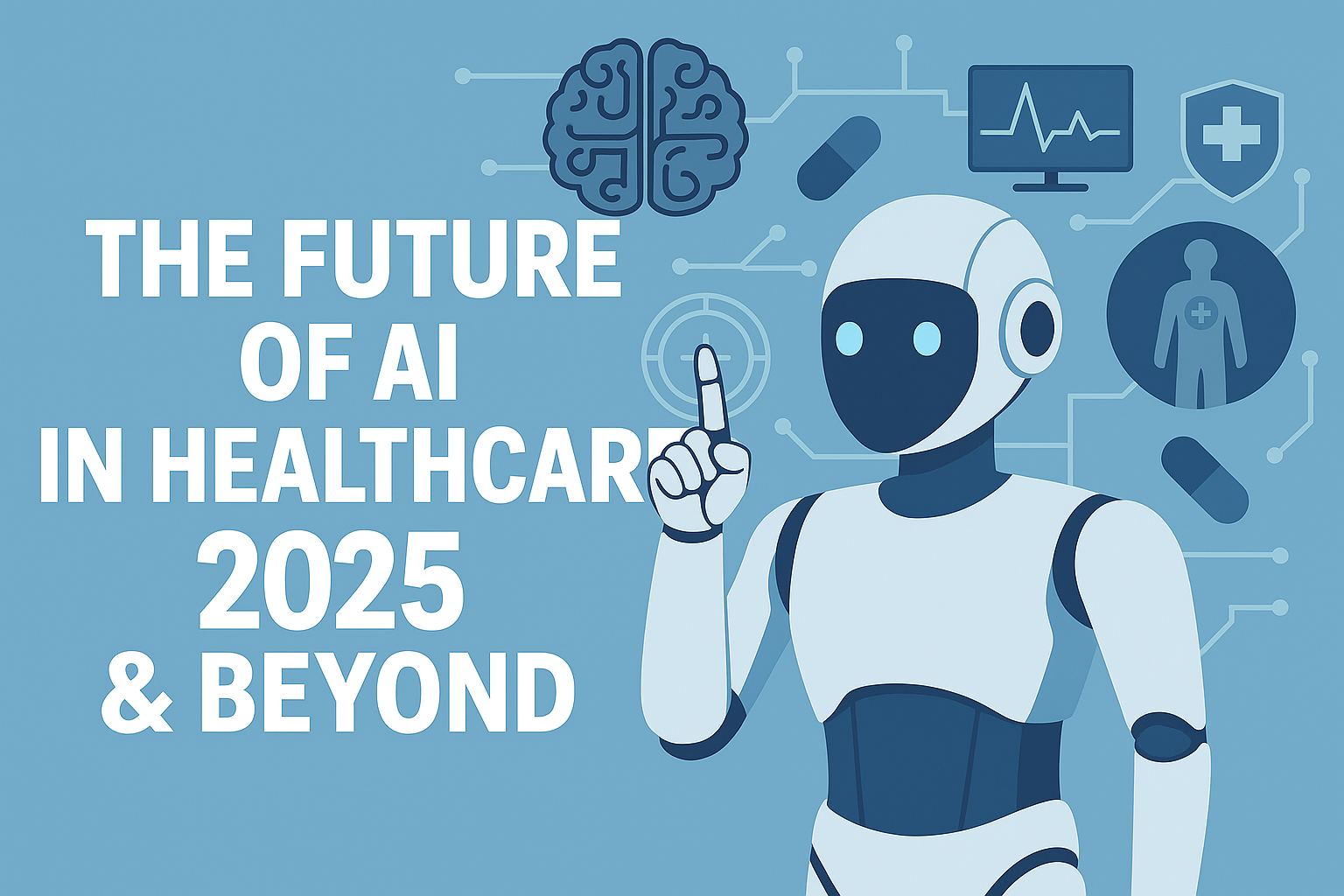
The Future of AI in Healthcare (2025 & Beyond): How Artificial Intelligence Is Transforming Medicine
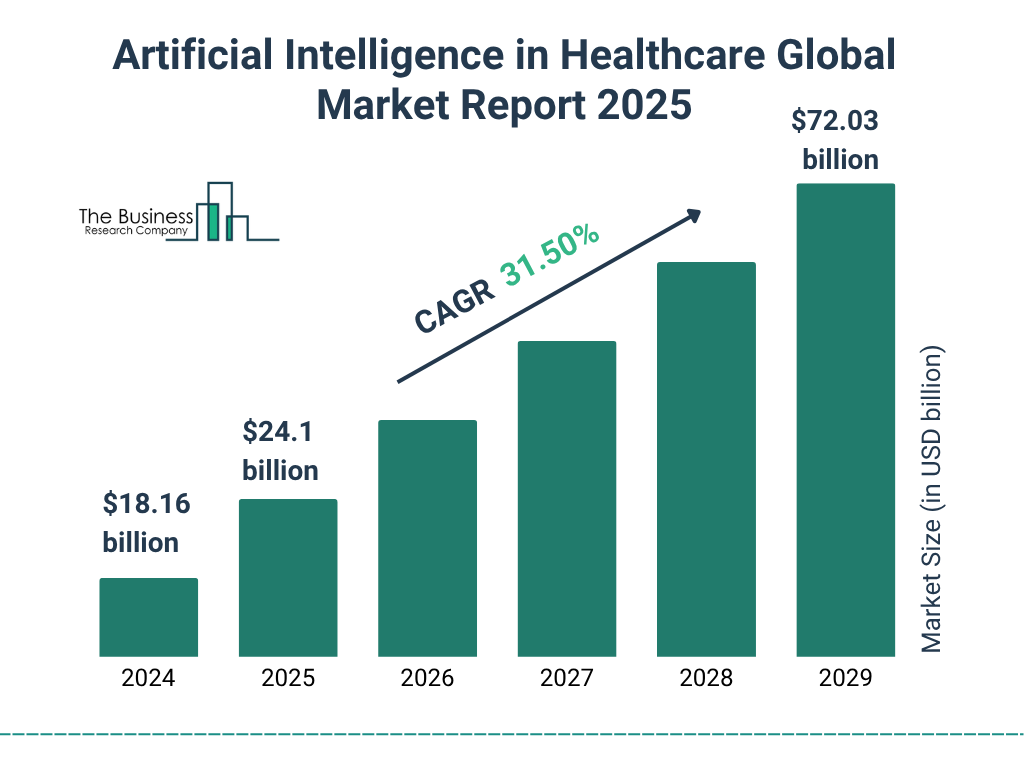
Artificial Intelligence (AI) is no longer a future concept in healthcare—it is a present-day revolution that continues to evolve beyond 2025. AI is reshaping how diseases are detected, treatments are personalized, hospitals are managed, and patients are cared for worldwide.
From early diagnosis to robotic surgery and predictive analytics, AI is improving accuracy, efficiency, and accessibility across the global healthcare system. According to recent industry studies, healthcare organizations adopting AI technologies are experiencing significant improvements in patient outcomes and operational efficiency.
What Is AI in Healthcare?
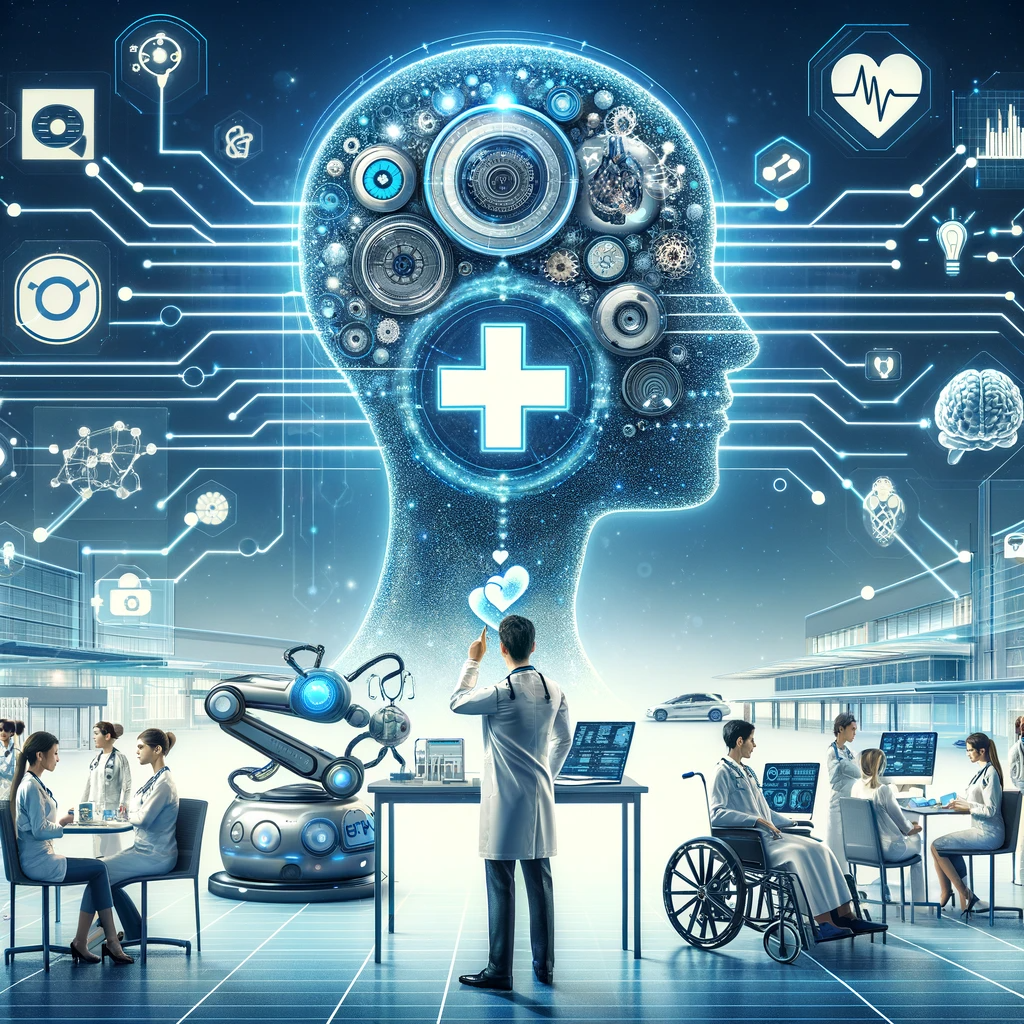
AI in healthcare refers to the use of machine learning, deep learning, natural language processing (NLP), and computer vision to analyze medical data and support clinical decisions. These systems learn from large datasets and continuously improve accuracy over time.
- Learn from electronic medical records
- Analyze medical images such as X-ray, MRI, and CT scans
- Predict disease risks before symptoms appear
- Automate repetitive administrative tasks
- Assist doctors in complex decision-making
Why AI in Healthcare Is Growing Rapidly

- Massive growth in healthcare data worldwide
- Shortage of doctors and skilled medical staff
- Rising healthcare costs and operational pressure
- Increasing demand for faster and accurate diagnosis
- Advances in cloud computing, GPUs, and AI models
By 2025 and beyond, AI is no longer optional—it has become an essential component of modern healthcare infrastructure.
1. AI in Medical Diagnosis (Game Changer)

AI-powered diagnostic systems can detect diseases earlier and more accurately than traditional methods. Learn more about AI medical diagnosis and how it is changing clinical decision-making.
- Cancer detection from imaging
- Diabetic retinopathy screening
- Heart disease risk prediction
- Brain tumor detection from MRI scans
AI systems analyze thousands of cases in seconds, significantly reducing human error and improving early intervention.
2. AI in Medical Imaging & Radiology
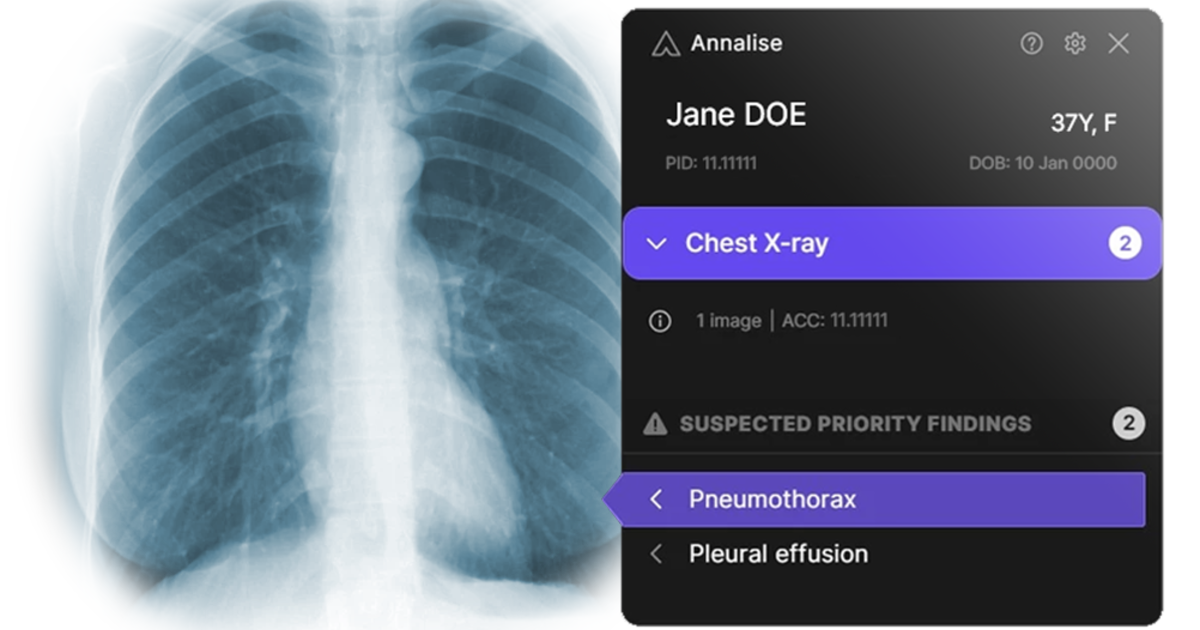
In radiology, AI enhances accuracy by assisting professionals in image interpretation. These tools improve workflow efficiency and reduce diagnostic delays.
- Detect abnormalities automatically
- Highlight critical regions for review
- Prioritize urgent patient cases
In 2025 and beyond, AI acts as a radiologist assistant, not a replacement.
3. AI in Personalized Treatment & Precision Medicine

AI enables precision medicine by tailoring treatments based on genetics, lifestyle, and patient history. This reduces side effects and improves treatment success rates.
- Analyze genetic and biomarker data
- Predict patient treatment response
- Optimize drug dosage
- Reduce trial-and-error medicine
4. AI in Drug Discovery & Development
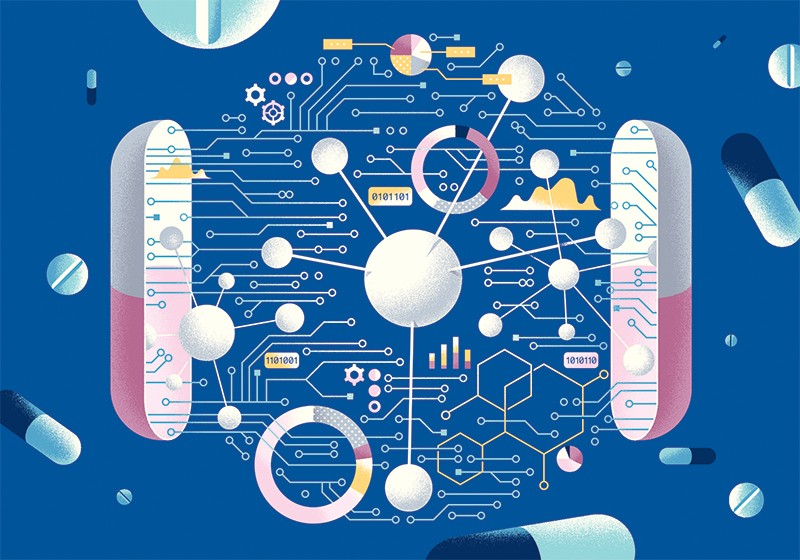
Traditional drug development takes 10–15 years. With AI, pharmaceutical research is accelerated dramatically. Read more about AI in drug discovery and its impact on medicine.
- Identify promising drug candidates
- Predict molecular behavior
- Reduce research and development costs
- Speed up clinical trials
5. AI in Robotic Surgery
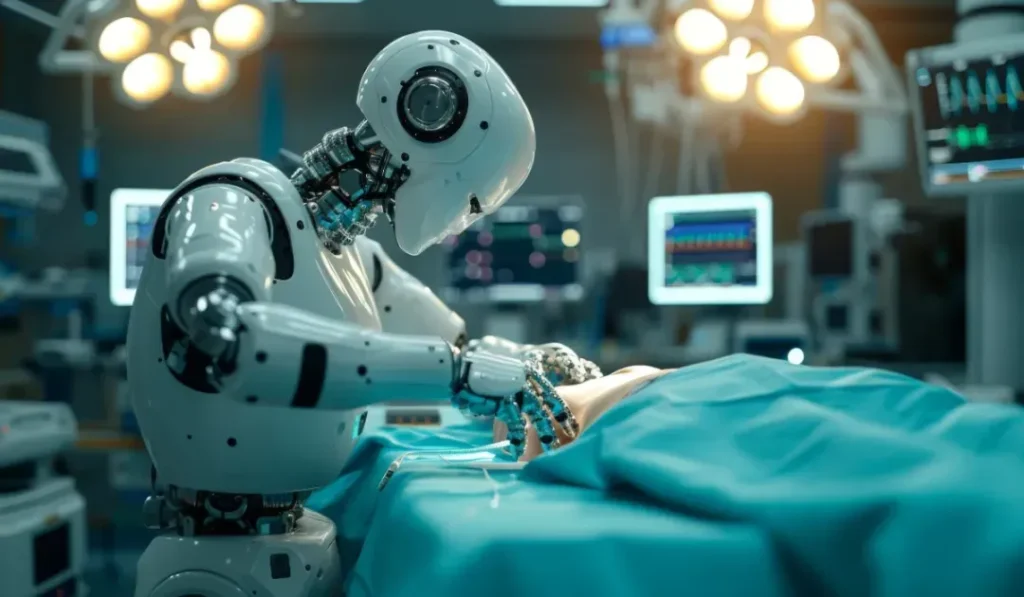 Assist surgeons with precision
- Reduce invasiveness
- Minimize recovery time
AI-powered robots enhance surgical accuracy while keeping surgeons fully in control.
6. AI in Virtual Health Assistants & Chatbots

Virtual health assistants provide 24/7 support to patients and reduce hospital workload.
- Symptom checking
- Appointment scheduling
- Medication reminders
- Mental health support
7. AI in Hospital Management & Operations
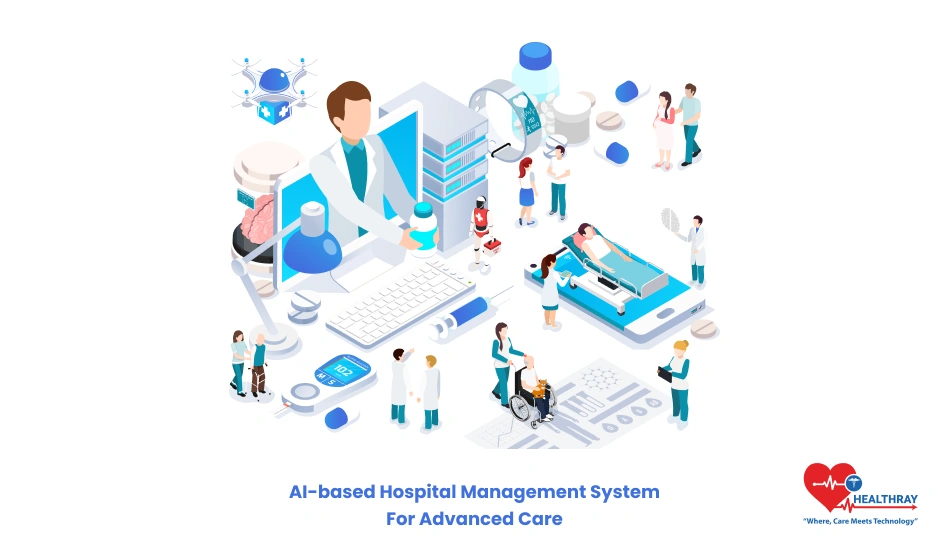
AI improves hospital efficiency by predicting patient needs, managing resources, and reducing operational costs.
- Predicting patient admissions
- Managing staff schedules
- Reducing waiting times
- Preventing equipment failures
Challenges & Risks of AI in Healthcare
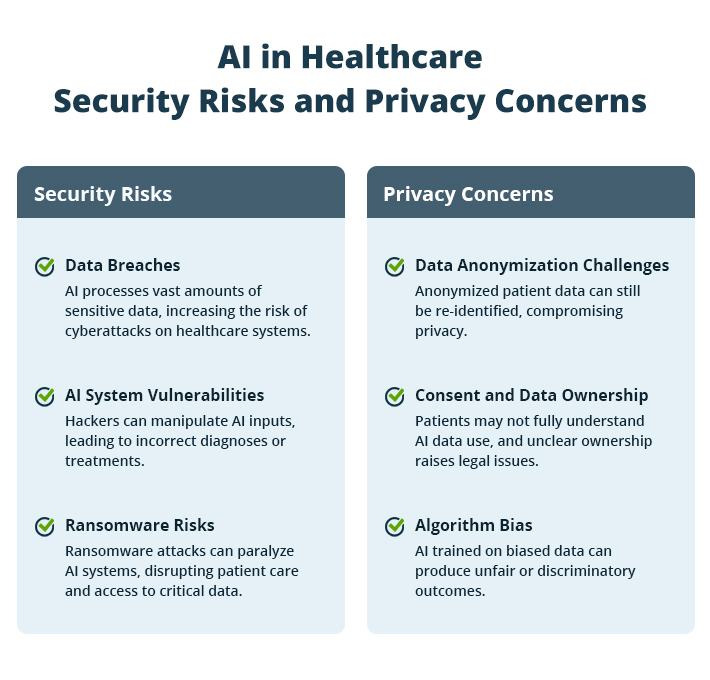
Despite its benefits, AI introduces challenges related to ethics, transparency, and data protection. Learn more about AI ethics in healthcare.
- Data privacy concerns
- Bias in AI models
- Lack of transparency
- Regulatory compliance
- Ethical decision-making
Will AI Replace Doctors?

No. AI will support doctors, not replace them. Human judgment, empathy, and ethics remain essential in medical care.
Frequently Asked Questions (FAQs)
How is AI transforming healthcare in 2025 and beyond?
AI is improving diagnosis accuracy, automating workflows, enabling personalized treatment, and expanding access to healthcare worldwide.
Is AI safe to use in healthcare?
When properly regulated and ethically implemented, AI systems reduce errors and improve patient outcomes.
Will AI replace doctors?
No. AI supports doctors with data insights while human professionals provide clinical judgment and empathy.
Final Thoughts
The future of AI in healthcare in 2025 and beyond is transformational. Artificial intelligence is improving diagnosis accuracy, reducing healthcare costs, enhancing hospital efficiency, and—most importantly—saving lives.
Healthcare is no longer just about treatment; it is about intelligent, data-driven, and preventive care, powered by responsible AI and human expertise working together.